

Jewellery Care
Care for your jewellery as you care for those around you
Your jewellery collection is personal to you, full of treasures that hold memories, stories, and moments. It's important to know how to care for your jewellery to ensure you can love and wear it for years to come.
At Wild Fawn, our jewellery is thoughtfully made from solid recycled gold and sterling silver - with no risk of gold-plating fading away, it's designed to last a lifetime.
Our Jewellery Care guide contains tips and tricks for caring for gold and sterling silver jewellery, so it looks its best every time you wear it.

Jewellery care
Solid Gold
Solid gold jewellery requires minimal care, as it's one of the most durable metals for everyday wear. It doesn't react to chemicals, fade over time, and very rarely tarnishes.
- To clean, use warm water mixed with a gentle soap (like an eco-friendly washing-up liquid), and a soft brush.
- Remove before swimming, as chlorine and salt water can cause temporary dullness.
- Store in a cool, dry place away from other metals when not wearing.
Read more information and advice in Our Journal entries below.
Jewellery care
Sterling Silver
Solid sterling silver contains 92.5% pure silver, alloyed with 7.5% copper. The copper content ensures the metal is hard and durable, but can also cause natural oxidisation (tarnishing) over time.
- To slow down the tarnishing process, wear your silver jewellery regularly, removing when swimming, showering, being active and using harsh cleaning (or wear gloves).
- Store in a non-humid, dark place in air-tight, fabric container or pouch when not in use.
- To clean, soak in warm soapy water for around 30 minutes, gently brushing with a soft brush if needed.
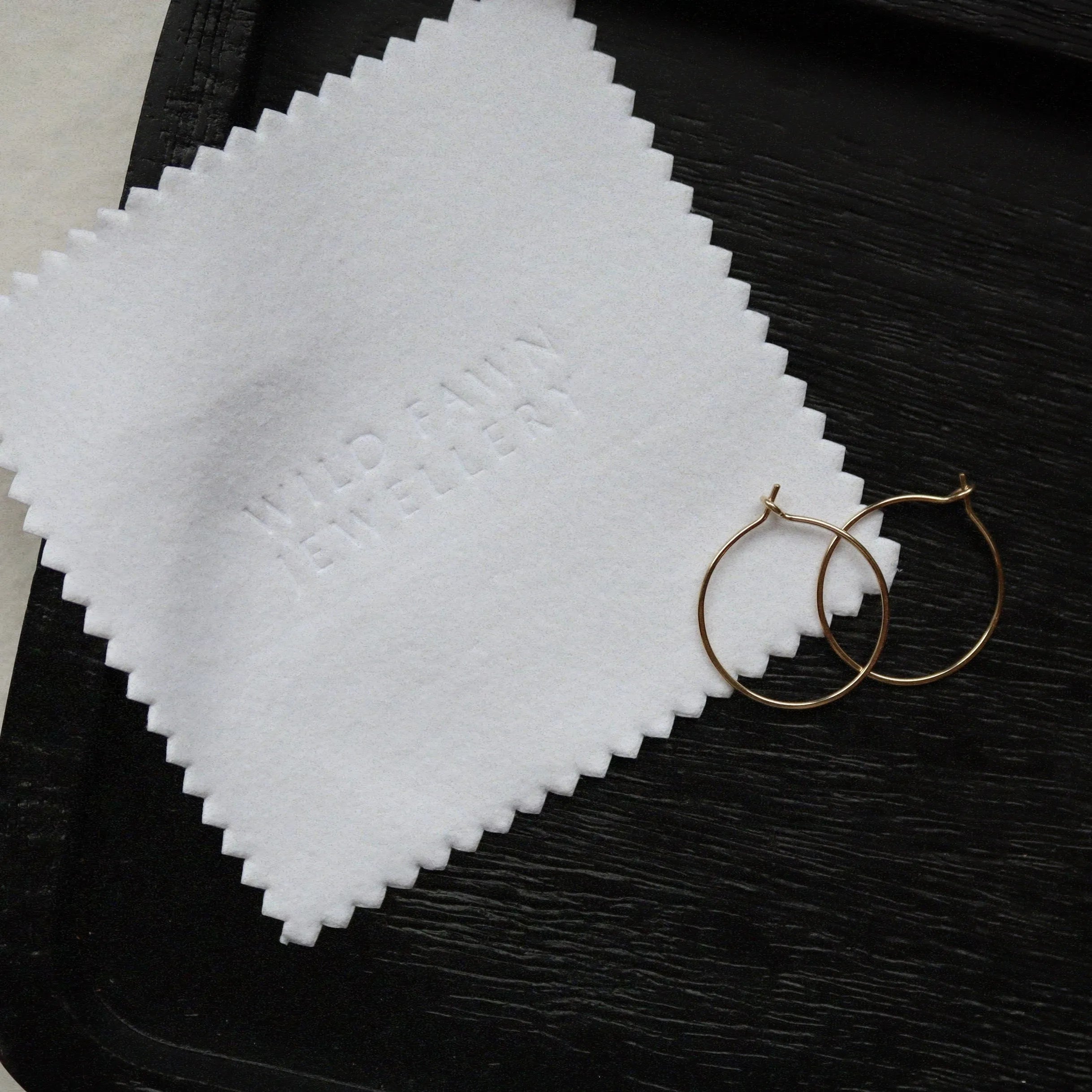
- To remove light tarnish, a silver polishing cloth does the trick.
- To remove severe, stubborn tarnish, a jewellery dip cleaning solution or DIY white vinegar and baking soda solution can help restore it's shine.


Jewellery care
Engagement Rings
Your engagement ring is an extremely special piece of jewellery, and requires gentle care and cleaning to keep it looking its best.
- Diamond and sapphire engagement rings made from solid gold or platinum can be soaked in warm soapy water and gently brushed for easy, at-home cleaning.
- Take your jewellery to your jeweller every 6-12 months for a professional deep clean, buff and polish. Your jeweller can also check for loose stones or repairs needed!
- Remove when working out at the gym, cleaning using harsh chemicals (or wear gloves) and swimming in cold water to prevent loss and dullness.
Wild Fawn engagement and wedding rings come with a 3 year warranty, which includes light cleaning and inspection. We also offer a full deep clean, buff and polish for £35 per item, just get in touch.
Shop jewellery care & spares
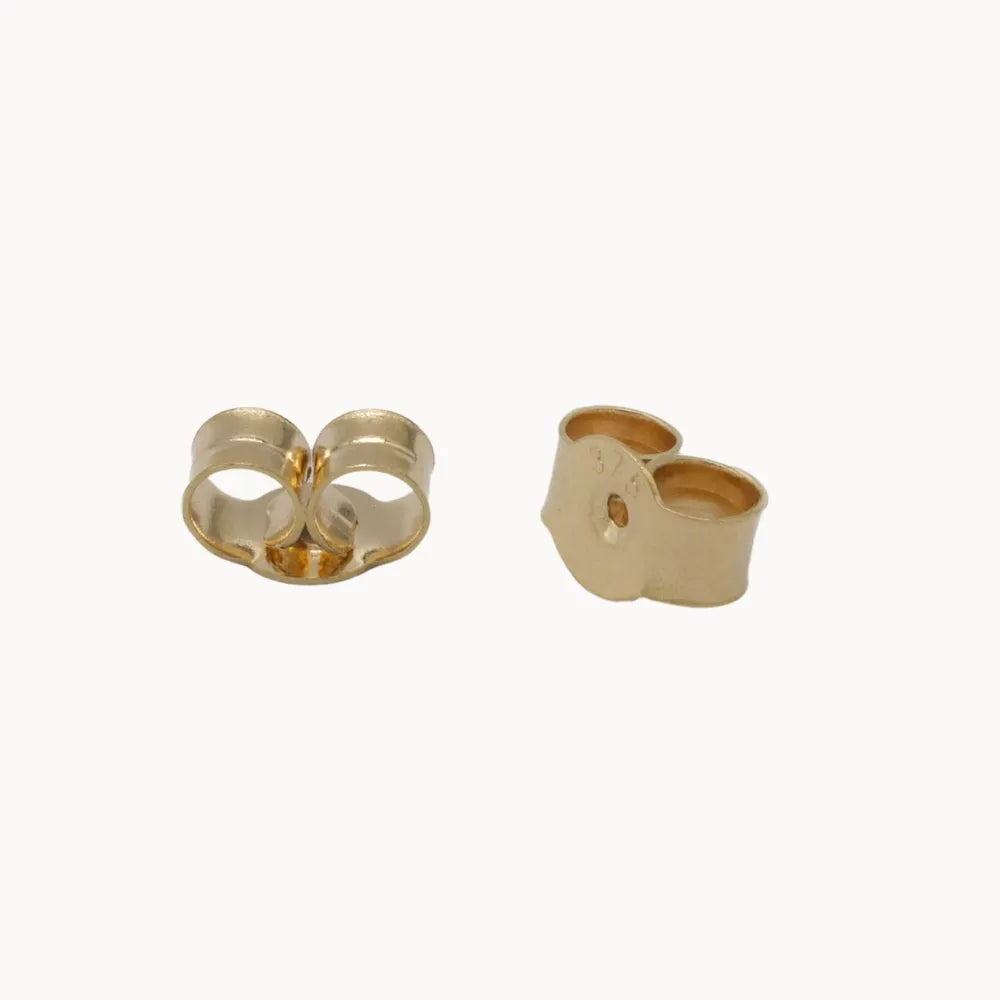
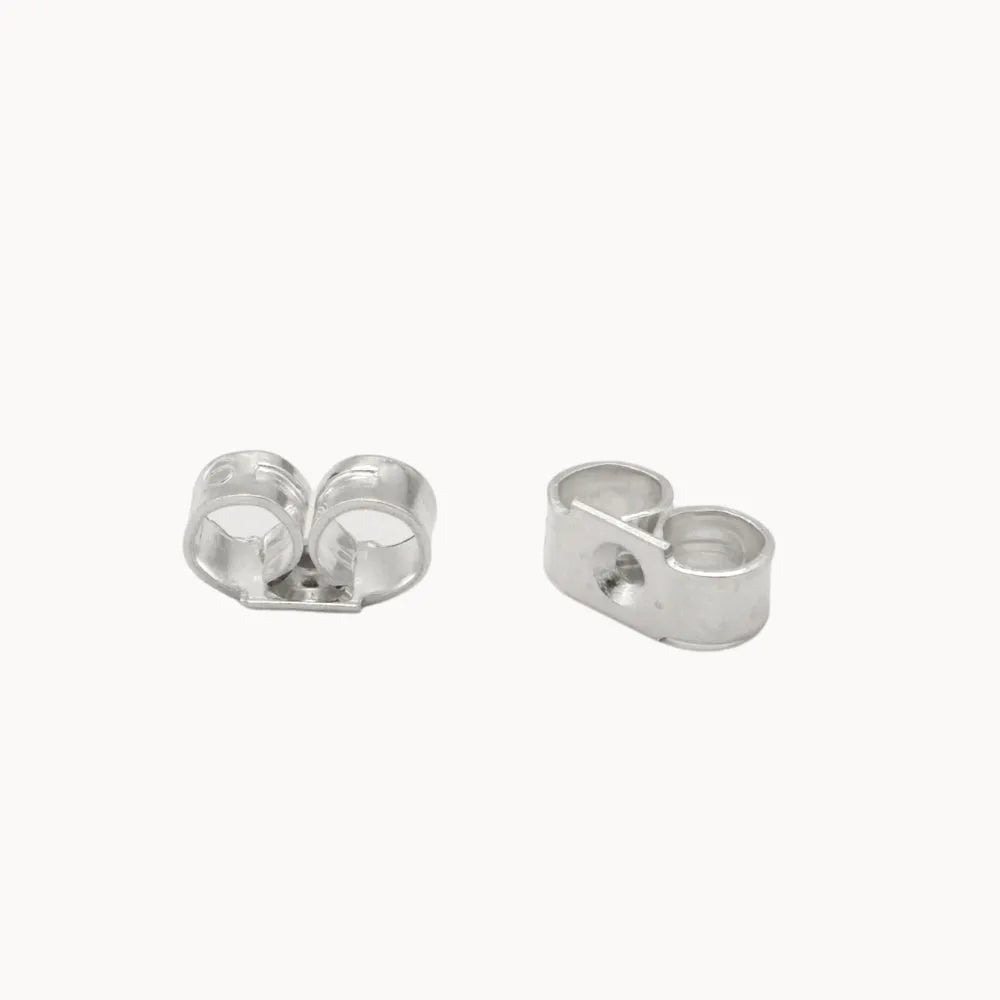
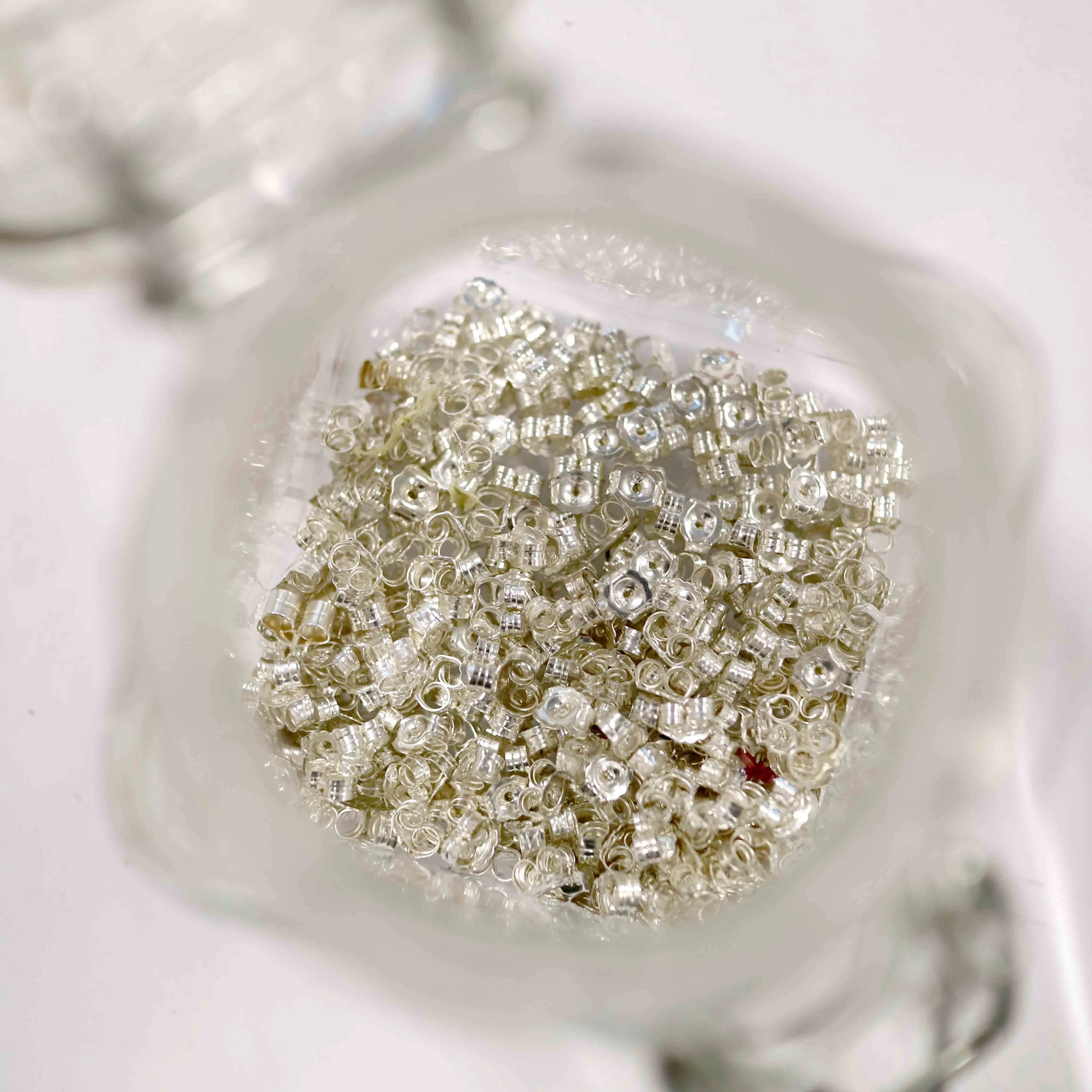
Misplaced an earring back, or want to give your silver pieces a polish?

Jewellery care
What is tarnish?
If you own and love silver jewellery you’ll know exactly what we mean when we say tarnish. That annoying discolouration or dirty appearance on the surface of your pieces. Tarnishing is the process of oxidisation of metal. It starts to happen over time when your pieces come into contact with chemicals like sulphur, ammonia and natural oils in your skin, and are then exposed to oxygen. Thankfully it’s only a surface discolouration!
Fortunately, there are plenty of tips and tricks you can use to care for silver and gold. Instead of using harsh and abrasive chemicals to clean away the tarnish, you can opt for eco-friendly cleaning choices. Read on for some of easiest ways to clean your jewellery and get ready to refresh your jewellery!
Jewellery care
Preventative Care
Prevention is easier than cure, so here's s some ideas about how to avoid tarnish altogether.
Prevention
Wear your Jewellery
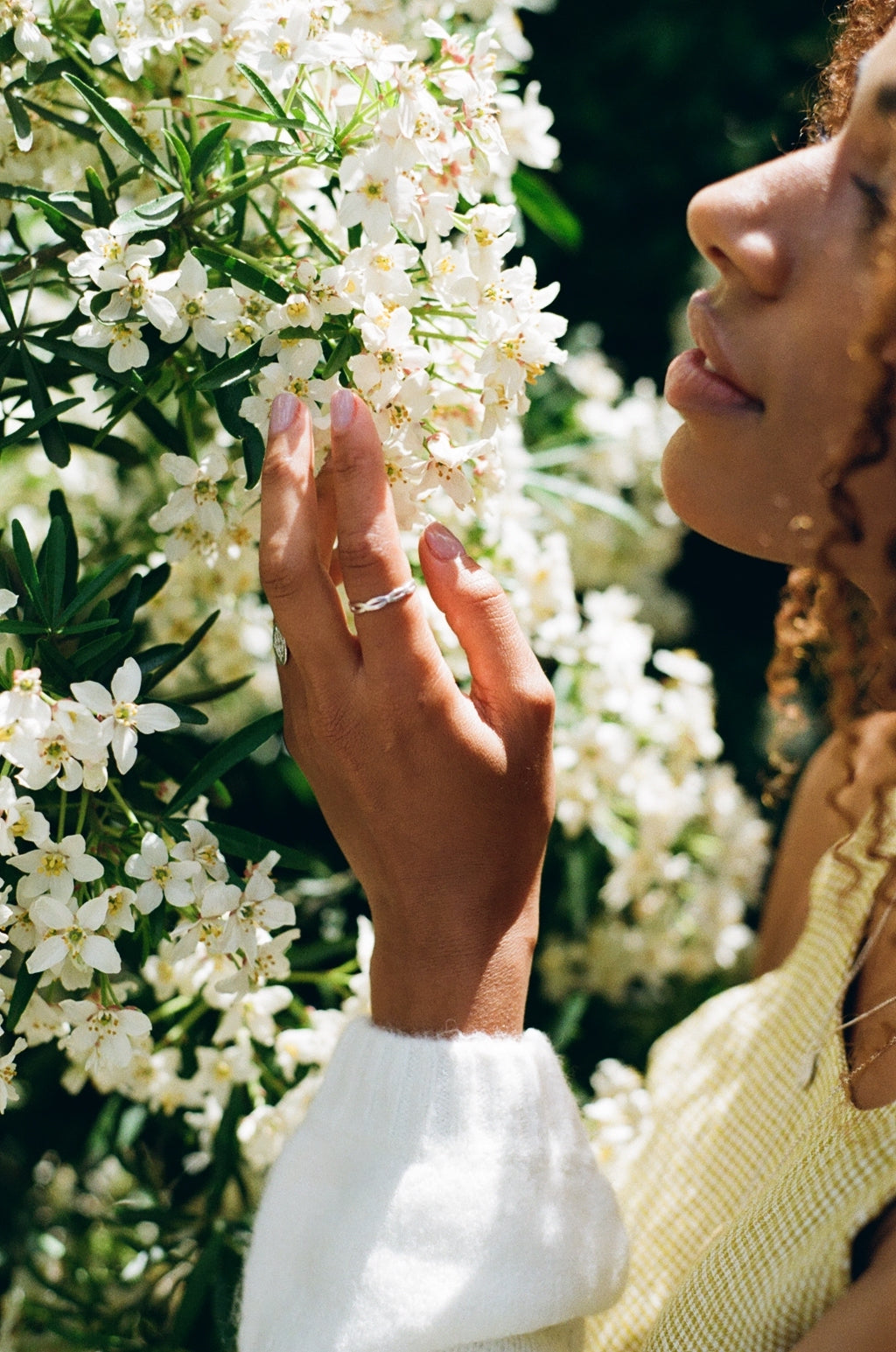
Even though it sounds counter-intuitive, wearing your jewellery as often as you can will help you avoid tarnish. How so? Your skin produces natural oils that seem to clean the metal as it rubs and touches the skin, keeping it looking bright and shiny. However, this same oil will cause tarnish when jewellery is left unworn for long periods of time, so the best way to stop your silver tarnishing is to wear it!

Prevention
Avoid Chemicals and Cosmetics
To avoid tarnish and damage, it is best to keep your jewellery out of contact with household chemicals, chlorine, or any substances containing sulphur, phosphates, ammonia or rubber. We recommend removing your jewellery when doing chores involving chemical cleaners.
Perfumes, skin lotions, hair spray, other hair products and even perspiration can also cause silver to tarnish, and gold to look dull. We recommend you get fully dressed before putting on your jewellery. Leave the best until last - like the icing on a cake!
Similarly, exposure to sunlight can cause silver to tarnish, so don’t store your jewellery in sunlight and possibly even take off your silver jewellery before swimming & sunbathing.
Prevention
Storage is Important
The most common cause of your silver jewellery tarnishing is simply exposure to air. So one of the easiest ways to prevent tarnish is to store silver in airtight plastic or fabric bags, even better to include anti-tarnish strips if possible. Although we prefer to avoid plastic in all aspects of life, in this regard it is unrivalled as far as we know (please let us know if you have alternatives!)
Make sure you store your jewellery pieces separately to avoid scratching and chains tangling. The storage area should be dry and with low humidity, adding a piece of chalk or activated charcoal can also help minimise tarnish.
Jewellery Care
Cleaning
A deeper look at different jewellery cleaning techniques to safely keep your pieces looking their best at home.
Cleaning
Polishing Cloth
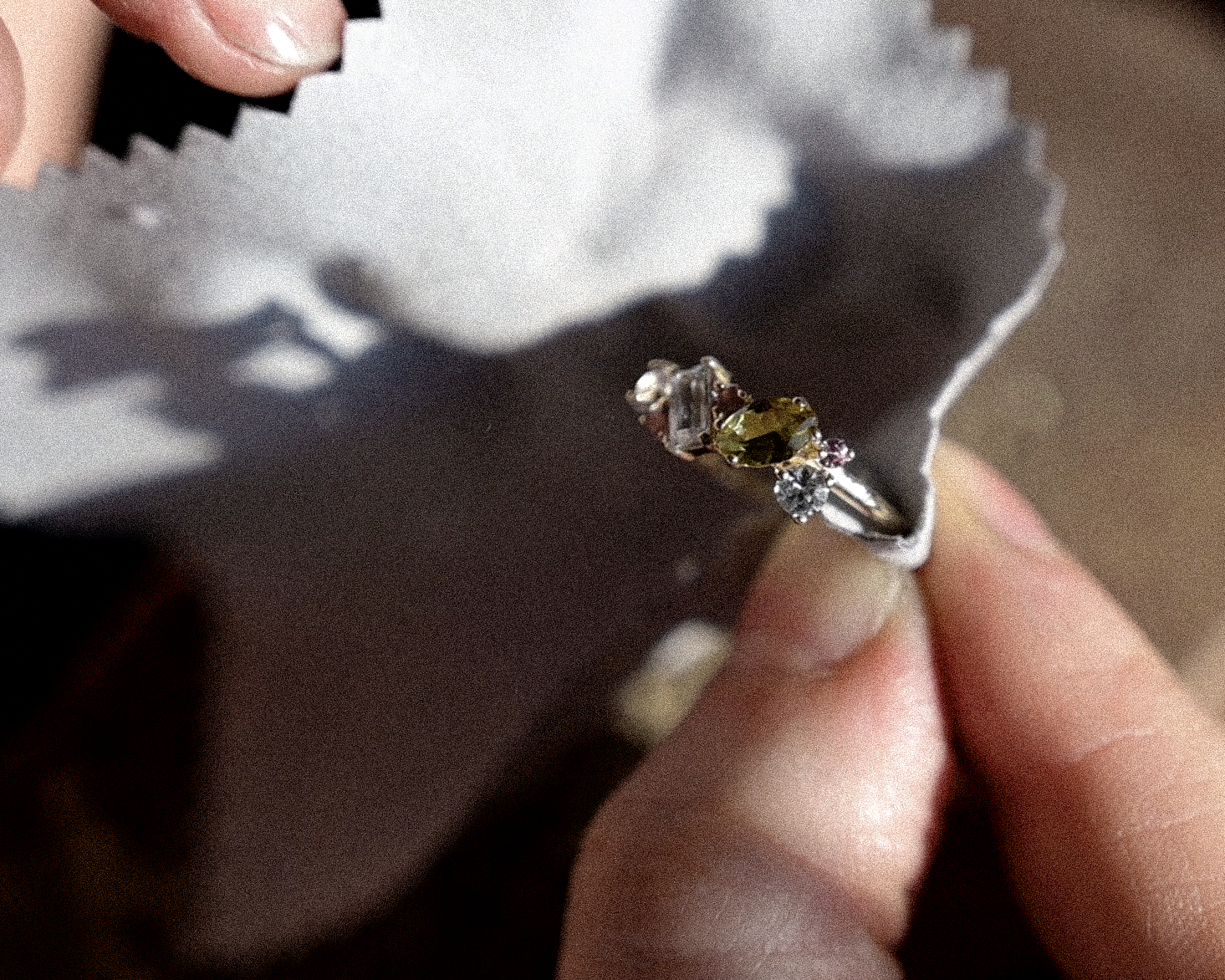
If your jewellery is stored in a jewellery box or other exposed area, regularly using a polishing cloth can keep them looking shiny. We recommend every jewellery-lover has a polishing cloth to hand.
You could also use a microfibre cloth, lint-free flannel, or any other soft non-abrasive cloth to polish your pieces. As far as metals go, silver is relatively soft, which means it can easily become scratched so don’t be too vigorous with your polishing and do not use tissues or paper towels.
We do not plate our jewellery, but if you are polishing silver or gold-plated jewellery, be aware that over time your polishing might wear away the plating and reveal the metal underneath, so be careful!
Cleaning
Washing Up Liquid
The best, cheapest and easiest way to clean your jewellery at home.
It might seem rudimentary but a mild washing-up liquid can be a great DIY cleaner for a variety of jewellery including silver, diamonds, and even delicate pearls. Just make sure it does not contain chemicals, such as ammonia or phosphates.
Simply mix the liquid with some warm water and dampen a soft cloth in the solution. Gently rub the pieces with the solution and rinse thoroughly in cool water. If you want to clean in deep texture or around diamonds, which can become grubby when worn daily, you could use a soft bristle brush, like a bamboo tooth brush.
Gemstones are very delicate and need to be treated with extra care. Stones like diamonds, rubies and sapphires can withstand soapy water when you want to clean them, others cannot, so make sure to check the stone type before cleaning. Read more in our Engagement Ring Cleaning article.
When cleaning pearls this way, bear in mind that you should only dip them in soapy water for short periods of time, leaving them submerged or scrubbing them vigorously can damage them, dry them with a soft cloth immediately after cleaning.

Cleaning
Dip Cleaner
Sometimes you need something a little more heavy duty and easily available. You can buy dip cleaners in large supermarkets.
Please note that they some dip cleaners can be too harsh for some types jewellery especially pieces with gemstones and pearls, so always read the label before using.
Jewellery Care FAQs
Can solid gold jewellery tarnish?
Generally, gold is resistant to tarnishing and discolouration.
In some very rare cases, lower-carat gold can experience a reddish discolouration due to the fact that it contains a higher ratio of alloyed metal, and this may react with your skin and oxidise.
As this is a rare naturally-occuring process, we cannot be held liable if you experience this with Wild Fawn solid gold pieces.
If you have metal sensitivities, it's recommended to choose a higher carat gold - especially with earrings. This minimises the amount of potentially-reactive alloyed metal in your solid gold piece.
How can I avoid scratches on my gold jewellery?
18ct and 22ct gold jewellery is slightly more susceptible to scratches and scuffs over time, as it contains a higher percentage of pure solid gold, which is naturally a soft metal.
If you are worried about scratching your gold jewellery, we recommend choosing a lower-carat gold which is naturally harder and more durable, like 9ct or 14ct.
What is the best way to store delicate necklaces to prevent tangling?
To prevent tangling, store necklaces in seperate compartments within a closable jewellery box, either laid flat or on hooks.
How do I remove tarnish from platinum jewellery safely?
Platinum naturally develops a satin-like coating called patina over time, which is caused by oxidation of the metal's surface.
Using a polishing cloth and warm, soapy water can remove dirt and residue from platinum jewellery; however, these methods will not effectively remove patina.
The only way to effectively and safely remove this tarnishing from your platinum jewellery is to get it professionally cleaned.
Get in touch with us if you'd like patina removed from your platinum jewellery.